
After four years of no sports activity, I started running again. So I ran one kilometer, the next day two kilometers, and the day after that ten kilometers. Two days later, I ran another ten kilometers, and that’s when my knees started to hurt. Then I waited a bit, because I couldn’t even climb the stairs anymore, so I took a break. I decided to buy new shoes and chose the Adidas Boston 12. That’s when the problems began for me. Since I started wearing those shoes, even though… Well, when you buy new, high-end shoes with the latest technologies, the kind you didn’t even see a few years ago, you think it’s going to make everything easier, that all your problems will be solved, and that for a beginner, getting premium gear is the best way to start. In reality, it was the opposite. What happened to me was that those shoes were completely unsuitable for my feet and for the way I run. Maybe, or rather surely, they’re great for elite runners who are used to running very frequently, at high paces, for years, and who are used to having that thick cushion under their feet. But for people who aren’t used to that kind of shoe, it simply creates a major issue with what’s called proprioception. That means that when you walk, your feet feel the irregularities of the ground and adapt to every small rock, crack, or bump under you.
The problem with this type of shoe is that you’re standing so high on a thick cushion that your foot no longer adapts to the texture of the ground. Your arch loses its natural feedback, your ankle no longer understands what’s happening, and the shock transfers to your calves, knees, or lower back. One way to overcome that is to do a lot of muscle strengthening in parallel. But beginners don’t necessarily know that, and they’re not always willing to spend hours doing exercises that seem extremely boring. A young runner just wants to start gently, at their own pace, without getting injured, for reasons no one ever really explains to you.
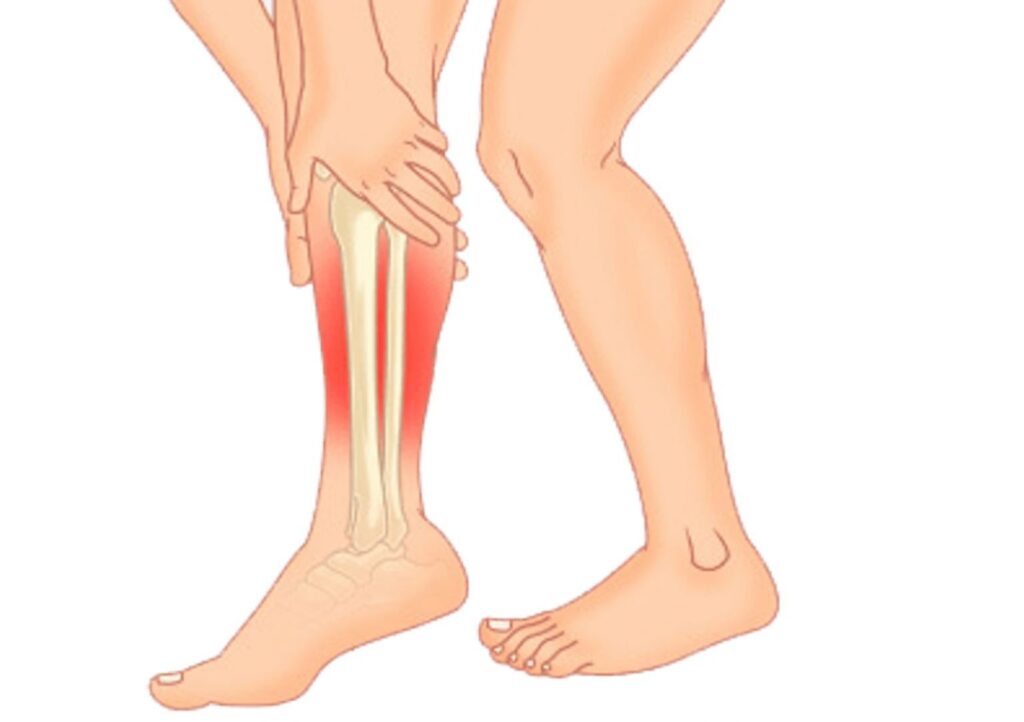
So today, I’ve started physiotherapy, and at the same time I run in indoor football shoes. These are shoes I know well, with a very thin sole that lets me feel every detail of the ground. Since I played football for many years, this is the kind of shoe I’m naturally comfortable running in. So even if they’re not what you’d call the most suitable running shoes, they actually fit me better than pure running models. I’m thinking of finding a pair that’s somewhere between the two—something closer to conventional shoes, with a standard sole. Today’s trend is toward extreme sole thickness, often for marketing reasons, but humans simply aren’t made to walk or run on such stilts. So I’ll go back to more classic pairs, the kind I’ve worn all my life, but definitely not the so-called “maxi shoes.”
